For decades, the mere mention of Zanzibar has conjured images of an idyllic escape: spice-scented breezes, turquoise waters lapping against white-sand beaches, and a rich tapestry of history woven into its ancient Stone Town streets. But a quiet revolution is underway. This archipelago is swiftly shedding its skin as a mere tourist haven and is being reimagined as one of the most compelling real estate destinations in East Africa. A new narrative is emerging, one where unparalleled serenity converges with unprecedented opportunity, drawing a discerning class of international investors to its shores.
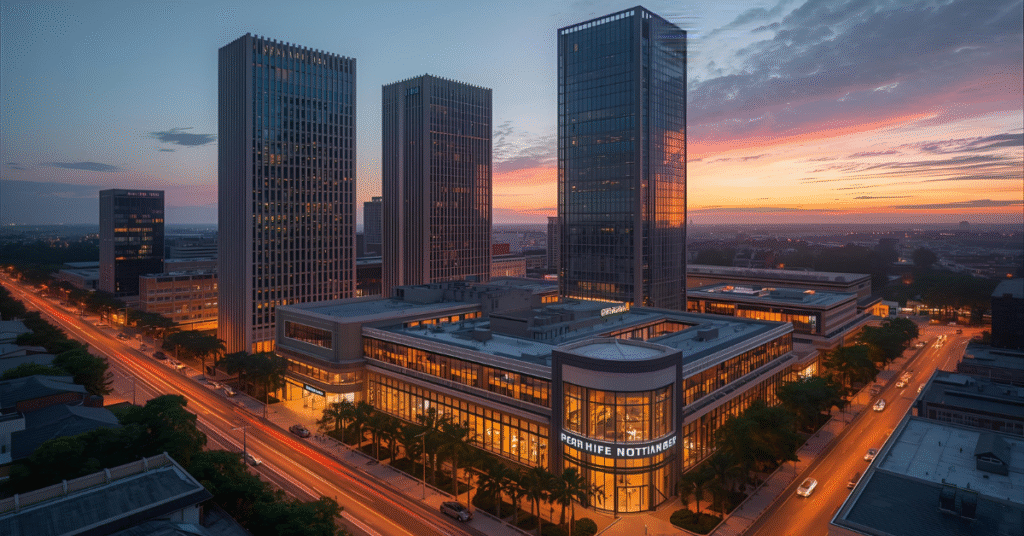
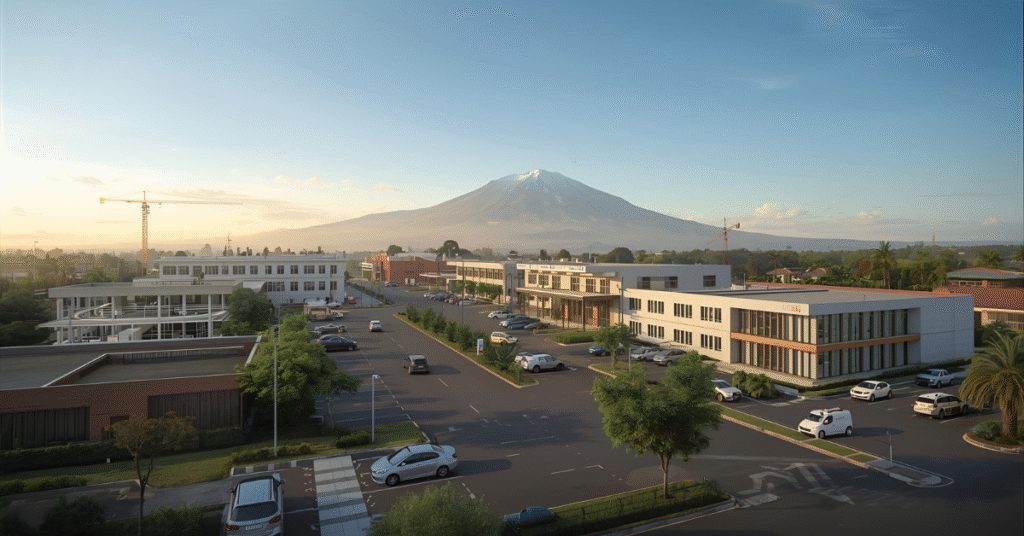
The transformation is palpable. Beyond the dhows sailing at sunset, a modern landscape of luxury villas, world-class resorts, and robust infrastructure is rising, fueled by record-breaking tourism and a government keen on fostering foreign investment. For those with an eye for emerging markets, Zanzibar is no longer just a destination for a holiday—it’s a destination for your portfolio.
The Engine of Growth: Tourism & Economic Expansion
The bedrock of Zanzibar’s real estate appeal is its explosive tourism sector. The island has consistently shattered its own visitor records, with numbers climbing year after year, signaling a robust and sustainable influx of global travelers. This isn’t a transient trend; it’s the foundation of a thriving economy.
Key to this growth is the strategic expansion of the Abeid Amani Karume International Airport. With a new terminal capable of handling 1.5 million passengers annually, Zanzibar has cemented its status as a premier, accessible gateway. Direct flights from major European and Middle Eastern hubs have made the island more reachable than ever, funneling a steady stream of high-spending tourists who demand premium accommodations.
Simultaneously, significant infrastructure improvements are enhancing the island’s livability and appeal. Upgraded road networks, improved utilities, and developments in telecommunications are creating a more seamless environment for both residents and businesses. This commitment to modernization directly boosts Zanzibar real estate investment, as it increases property accessibility, enhances quality of life, and solidifies long-term asset value.
A Canvas of Opportunity: Prime Investment Prospects
The surge in tourism creates a direct and powerful demand for high-quality accommodation. This is where the most tangible opportunities lie, particularly in coastal property investment. The demand for exclusive, private villas and luxury apartments far outpaces the current supply, creating a lucrative market for rental yields and capital appreciation.
Investors are not just buying property; they are acquiring a share of the Zanzibari dream. The market for luxury villas in Zanzibar is especially vibrant. These properties, often featuring private pools, direct beach access, and bespoke designs, cater to the elite traveler seeking an intimate and authentic experience beyond the standard hotel room.
Projects like Zanzibar White Sand Luxury Villas & Spa exemplify this new standard. Such developments offer more than just a home; they provide a curated lifestyle with five-star amenities, professional rental management, and a commitment to sustainable design. They represent the calibre of investment that defines the new Zanzibar—sophisticated, profitable, and deeply integrated with the natural beauty of the island.
Navigating with Confidence: Foreign Ownership & Legal Framework
A common question for international investors is, “Can I securely own a piece of this paradise?” The answer is a resounding yes, thanks to a clear and increasingly supportive legal framework.
While freehold ownership is typically reserved for Tanzanian citizens, foreigners can securely acquire property through long-term leaseholds. The standard lease term is 33 years, but it is commonplace and legally sound for investors to secure leases for 99 years, with the option to renew. The government has shown a positive disposition towards foreign investment, and the process, while involving specific legal steps, is well-established.
Engaging a reputable local lawyer and a trusted real estate partner is crucial to navigating the registration process with the Zanzibar Ministry of Lands. This ensures all transactions are transparent, legally sound, and provide you with indisputable title to your investment.
The Irresistible Allure: The Zanzibar Lifestyle
Beyond the spreadsheets and growth projections lies Zanzibar’s most potent asset: its soul-stirring lifestyle. This is not an investment in brick and mortar alone, but an investment in a way of life. The island offers a unique blend of:
-
Natural Beauty: From the flawless beaches of Kendwa and Pongwe to the vibrant coral reefs teeming with marine life.
-
Cultural Richness: The UNESCO World Heritage Site of Stone Town offers a living history lesson with its labyrinthine alleys, Omani palaces, and bustling bazaars.
-
Peaceful Living: A slower, more mindful pace of life prevails, offering a respite from the frenetic energy of mainland metropolises.
This trifecta of appeals is magnetic for digital nomads in search of an inspiring workspace, retirees looking for a tranquil yet engaging paradise, and luxury seekers desiring a unique second home. This diverse demographic ensures a perennial demand for quality real estate.
The Future is Bright: Market Forecast 2025–2030
Looking towards the horizon, the outlook for Zanzibar’s real estate market is exceptionally positive for the 2025-2030 period. The trajectory points towards:
-
Sustainable Development: There is a growing emphasis on eco-conscious development that preserves the island’s delicate ecosystem, which in turn protects long-term property values.
-
Rising Coastal Demand: As global prime coastline becomes scarcer, Zanzibar’s pristine shores will only increase in value and desirability.
-
Tourism-Led Appreciation: With tourism targets set ambitiously high, the rental market for luxury properties is expected to remain strong, ensuring healthy returns for investors.
The market is poised for a maturation phase, where quality and sustainability will be paramount, rewarding early and discerning investors who enter the market now.
Your Gateway to Zanzibar Real Estate
Zanzibar is no longer a hidden gem, it is a gleaming opportunity on the world stage. It presents a rare convergence of high growth potential, tangible asset value, and an unmatched quality of life. It is, without a doubt, establishing itself as East Africa’s newest luxury and investment hub.
Navigating this promising market requires a guide with global expertise and local insight. At Coldwell Banker, we have a deep understanding of the unique dynamics of the Zanzibar property landscape. We are here to help global buyers like you find the perfect property for sale in Zanzibar, ensuring your investment is as sound as it is beautiful.
Contact us today to begin your journey.
Frequently Asked Questions (FAQs)
1. Can foreigners buy property in Zanzibar?
Yes, foreigners can legally own property through a granted right of occupancy, typically structured as a long-term leasehold of 33 or, more commonly, 99 years, which is secure and renewable.
2. How profitable is real estate investment in Zanzibar?
Profitability is strong, driven by high tourism. Luxury coastal villas can achieve attractive rental yields, particularly through short-term holiday lets, alongside significant potential for capital appreciation as the market matures.
3. What are the best areas for coastal property investment?
The northeast coast (e.g., Kiwengwa, Pongwe, Matemwe) and the northwest coast (e.g., Kendwa, Nungwi) are highly sought-after for their stunning beaches and calm waters. The southeast (e.g., Paje, Jambiani) is also popular for its kite-surfing culture and bohemian vibe.
4. Is it safe to invest in Zanzibar real estate?
Yes, with proper due diligence. The legal framework is clear, and the government welcomes foreign investment. Working with a reputable real estate agent and a local lawyer is essential for a secure transaction.
5. What is the process for buying property?
The process involves finding a property, conducting due diligence (title search), negotiating terms, signing a sale agreement, and registering the lease with the Zanzibar Ministry of Lands. A local lawyer is mandatory.
6. Are there any restrictions on what I can build?
Yes, there are building codes and regulations, particularly in coastal areas and near Stone Town, to preserve the island’s cultural and environmental integrity. Your developer or architect will guide you through this.
7. What are the ongoing costs of property ownership?
Costs include local authority rates, utility bills, and if your property is in a managed estate, service charges for security, landscaping, and pool maintenance.
8. Can I get a mortgage in Zanzibar as a foreigner?
Financing options for foreigners are currently limited. Most real estate transactions are cash-based. It is advisable to secure financing from your home country.
9. What type of property offers the best rental return?
Luxury villas with private pools and direct beach access, managed by professional rental companies, typically generate the highest rental yields from the premium tourism market.
10. How does Zanzibar differ from mainland Tanzania for real estate?
Zanzibar has its own semi-autonomous government and distinct land laws. The investment landscape is more focused on high-end tourism and luxury coastal properties compared to the commercial and urban focus of cities like Dar es Salaam on the mainland.