Introduction
Tanzania and Zanzibar have emerged as some of the most promising real estate markets in East Africa. From the bustling commercial hubs of Dar es Salaam to the island charm of Zanzibar, opportunities for residential, commercial, and rental property investments are steadily attracting global attention. But for foreign investors, the process of acquiring land or property here requires a solid understanding of local laws, market trends, and investment structures.
In this guide, we’ll explore whether foreigners can buy property in Zanzibar and Tanzania, the rules for buying land, and how to invest in commercial, direct-from-developer, or rental properties — all from a practical, investment-focused perspective.
Can Foreigners Buy Property in Zanzibar?
Yes — but not in the same way as locals. Foreigners in Zanzibar cannot own land outright because land is considered public property under government control. Instead, they can secure long-term leases, typically 99 years, which grant full usage rights and ownership over any structures built on the land.
This leasing system offers several advantages for international investors:
- Security of tenure – A 99-year lease effectively covers multiple generations.
- Ease of transfer – The lease can be sold, assigned, or inherited.
- Full usage rights – You can build, renovate, rent, or operate commercial activities.
Can Foreigners Buy Property in Tanzania?
On mainland Tanzania, the rules mirror Zanzibar’s principle: land is government-owned, but foreigners can obtain long-term leases. However, there is a key distinction — foreign individuals or companies can lease land for investment purposes approved by the Tanzania Investment Centre (TIC).
TIC certification unlocks:
- Access to investment land parcels
- Tax incentives for certain projects
- Streamlined documentation processing
Can Foreigners Buy Land in Tanzania?
Technically, foreigners cannot hold freehold land in Tanzania. However, through government-approved leases, joint ventures with Tanzanian citizens, or TIC-registered companies, they can secure land legally for residential or commercial use.
Pro Tip: For investors aiming at large-scale developments — such as hotels, resorts, or industrial complexes — registering a company in Tanzania is often the most straightforward route.
Buying Property for Commercial Use
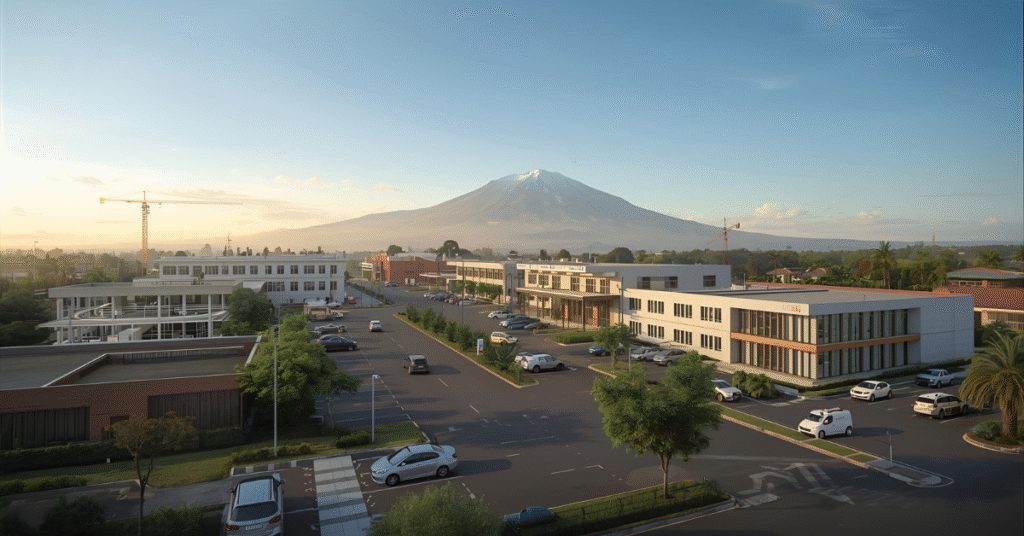
Tanzania’s rapid urbanization, growing tourism, and improving infrastructure make it an attractive destination for commercial property investors. Popular sectors include:
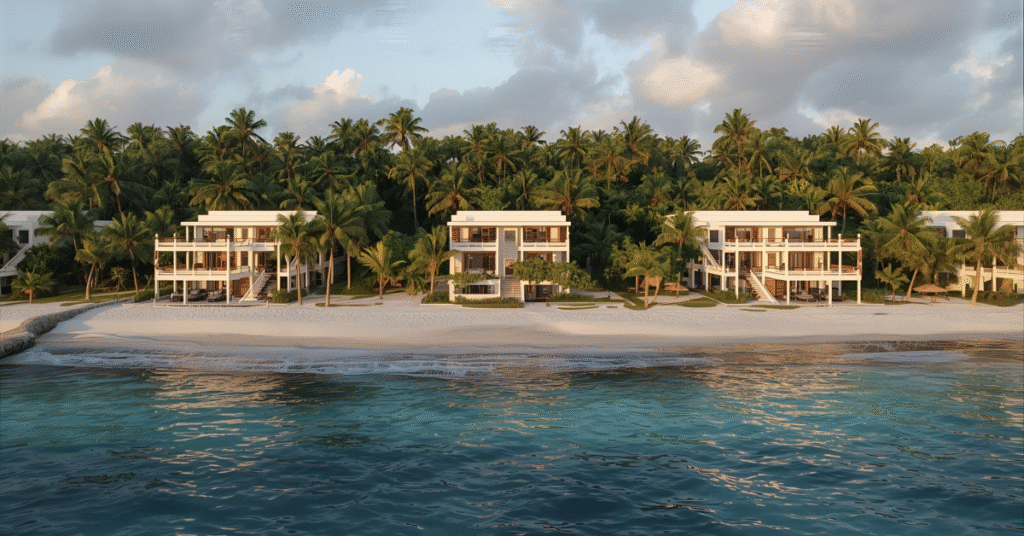
- Hospitality – Boutique hotels in Zanzibar and beach resorts along the mainland coast.
- Retail – Shopping complexes in Dar es Salaam and Arusha.
- Office Space – Modern business hubs for multinationals.
- Logistics & Warehousing – Supporting Tanzania’s port and trade activities.
Buying Property Direct from Developers
Purchasing directly from developers offers several advantages:
- Lower costs – Avoid intermediary fees.
- Pre-construction deals – Secure lower prices before property completion.
- Customisation – Influence design choices in commercial and residential builds.
Foreigners should ensure that:
- The developer has proper licensing.
- All approvals from local authorities are in place.
- Payment terms are documented and legally binding.
Buying Property for Rental Income
Tanzania’s rental market is strong, especially in:
- Dar es Salaam – Expatriate communities, diplomats, and corporate rentals.
- Arusha – Gateway to safari tourism.
- Zanzibar – Seasonal and holiday rentals.
With tourism recovering post-pandemic, short-term rental yields in Zanzibar are especially promising, while long-term corporate rentals in Dar es Salaam deliver stable monthly income.
Legal Process & Steps for Foreign Investors
- Identify investment purpose – Commercial, residential, or mixed-use.
- Choose location – Market demand varies significantly by region.
- Engage local legal counsel – Essential for navigating documentation and compliance.
- Secure government approvals – Especially through TIC for commercial projects.
- Sign a lease agreement – Typically for 33, 66, or 99 years.
- Register with the Land Registry – To ensure enforceable rights.
Investment Risks & How to Mitigate Them
- Regulatory changes – Stay informed about land policy reforms.
- Title verification issues – Always conduct a thorough search before committing.
- Currency exchange fluctuations – Hedge against Tanzanian shilling volatility.
FAQs
Here are 10 most searched questions from investors in 2025 about buying property in Tanzania and Zanzibar:
Can foreigners buy property in Zanzibar?
Yes, through long-term leases up to 99 years, with full rights to structures built.
Can foreigners buy property in Tanzania?
Yes, but only through approved investment leases or corporate structures.
Can I buy freehold land in Tanzania as a foreigner?
No, all land is government-owned; leases are the only option.
How long can a foreign lease last in Zanzibar?
Typically 99 years.
Is buying property direct from a developer safe?
Yes, if the developer is licensed, approved, and contracts are legally vetted.
What is the minimum investment for TIC approval?
Varies by sector, but generally USD 500,000 for foreign-owned projects.
Can I use leased property as collateral for loans?
In many cases, yes, depending on lender requirements.
Are there restrictions on renting property to locals?
No, you can rent to both locals and foreigners.
What taxes apply to foreign-owned property in Tanzania?
Property tax, rental income tax, and in some cases capital gains tax.
Can foreigners invest in commercial real estate in Zanzibar?
Yes, especially in tourism and retail sectors, via long-term leases.
Conclusion
With its strategic location, stable political climate, and booming tourism industry, Tanzania — and Zanzibar in particular — offers exciting opportunities for foreign investors. By understanding the legal framework, aligning with trusted local partners, and targeting high-demand sectors, foreign buyers can tap into a growing real estate market while enjoying sustainable returns.