Introduction
The Tanzania commercial real estate market is set for a transformative year in 2025. As one of East Africa’s most dynamic economies, Tanzania continues to attract investors due to its strategic location, political stability, and fast-growing urban centers.
Dar es Salaam, the country’s commercial capital, is evolving into a modern business hub, while Zanzibar is leveraging its global reputation as a tourism hotspot to drive demand for hotels, resorts, and retail spaces. At the same time, infrastructure upgrades, a rising middle class, and expanding regional trade are creating opportunities across multiple property sectors.
This Tanzania commercial real estate outlook 2025 explores the latest market trends, investment hotspots, risks, and strategies for both local and international investors.
Key Market Trends in 2025
Rising Demand for Office Spaces in Dar es Salaam
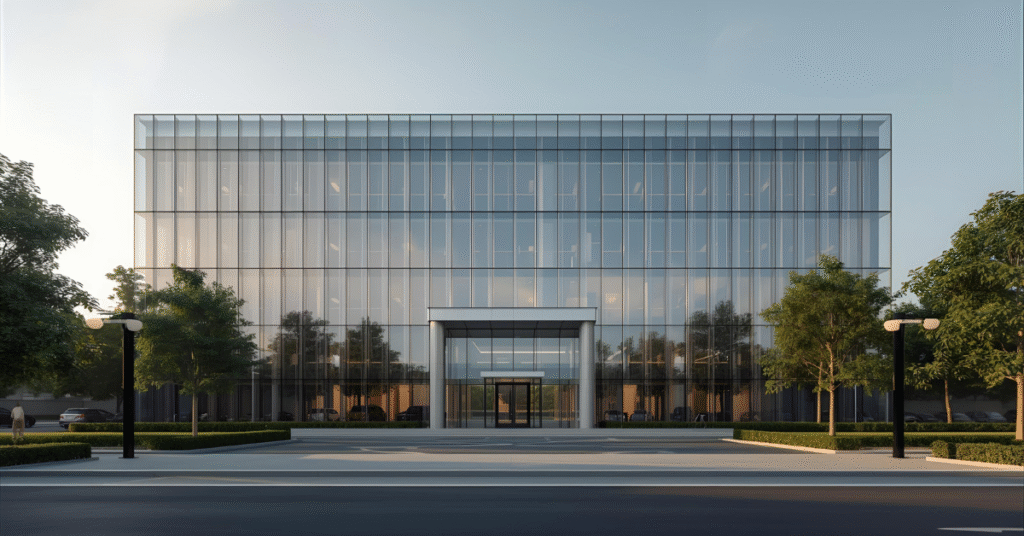
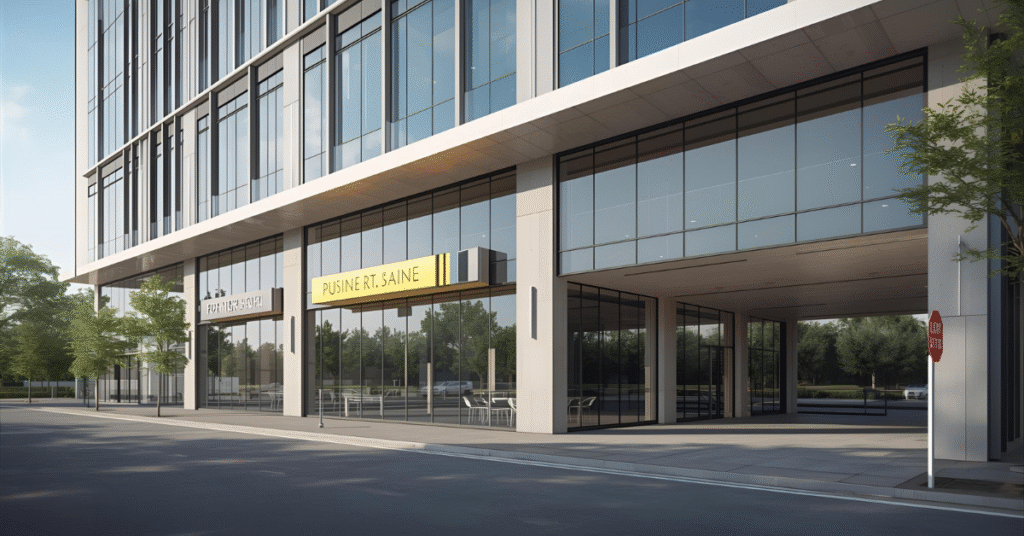
Despite the global shift toward remote work, office real estate in Tanzania remains resilient. Multinational companies, NGOs, and regional businesses are expanding in Dar es Salaam, driving demand for modern office buildings with high-speed internet, flexible layouts, and energy-efficient designs.
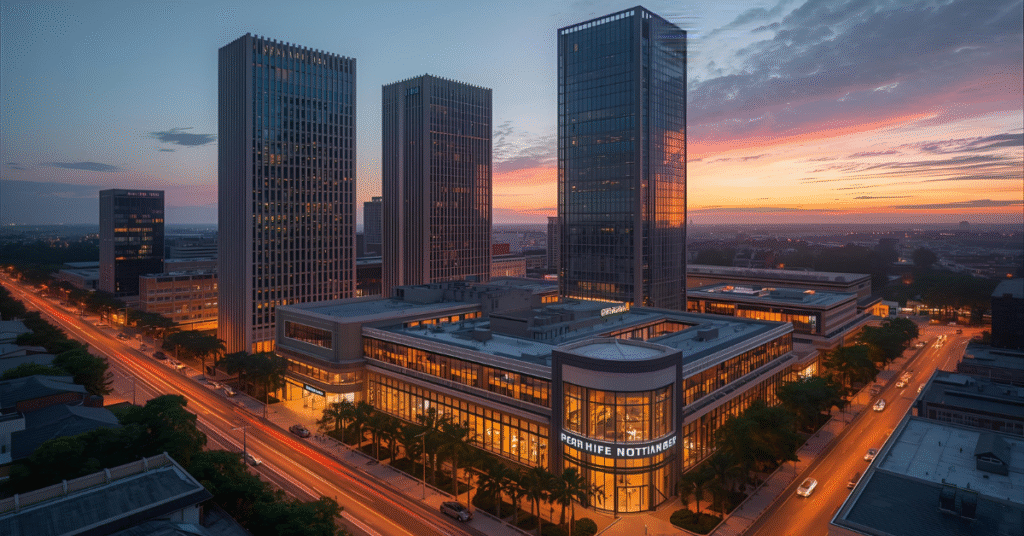
Hybrid work models are influencing construction, with developers focusing on co-working hubs, shared conference facilities, and smart buildings that reduce operational costs. Demand is particularly strong around Masaki, Upanga, and CBD areas, where new office towers are reshaping the skyline.
Zanzibar’s Tourism Boom and Hospitality Investments
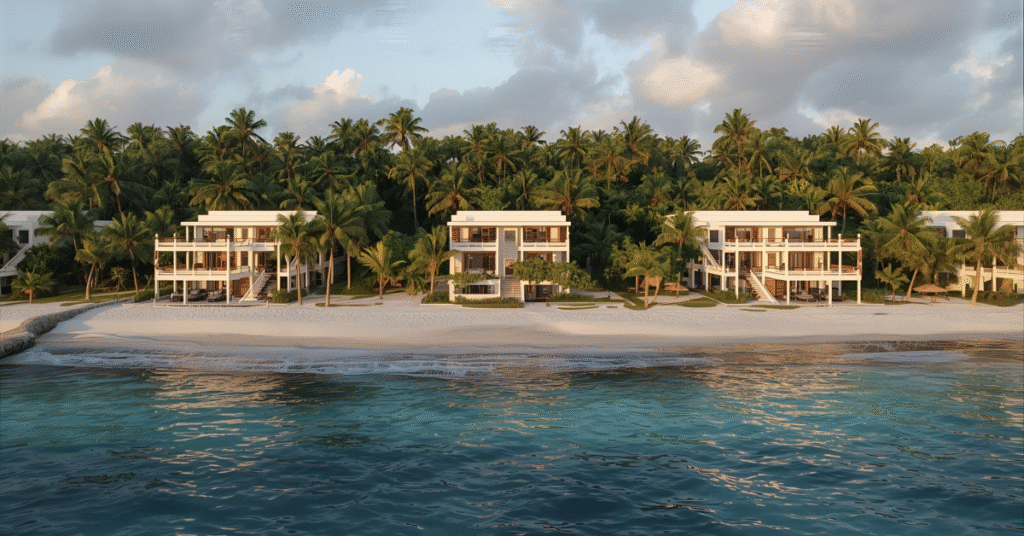
Zanzibar remains the crown jewel of Tanzania’s commercial property market in 2025. With record-breaking tourist arrivals, investors are pouring money into resorts, luxury hotels, boutique accommodations, and serviced apartments.
High rental yields make Zanzibar especially attractive for foreign investors. Commercial opportunities extend beyond hotels — restaurants, beach clubs, retail outlets, and event spaces are seeing steady growth, particularly in Stone Town and coastal regions like Nungwi and Kendwa.
Industrial & Logistics Expansion
The rise of e-commerce, manufacturing, and trade is fueling Tanzania’s demand for warehouses and logistics parks. The Port of Dar es Salaam, which handles a significant portion of East Africa’s imports, has become a magnet for industrial property investors.
Government-backed projects such as the Standard Gauge Railway (SGR) and Bagamoyo port development are further boosting the logistics sector. Industrial clusters around Dar es Salaam, Mwanza, and Arusha are expected to dominate growth in 2025.
Growth of the Retail Sector
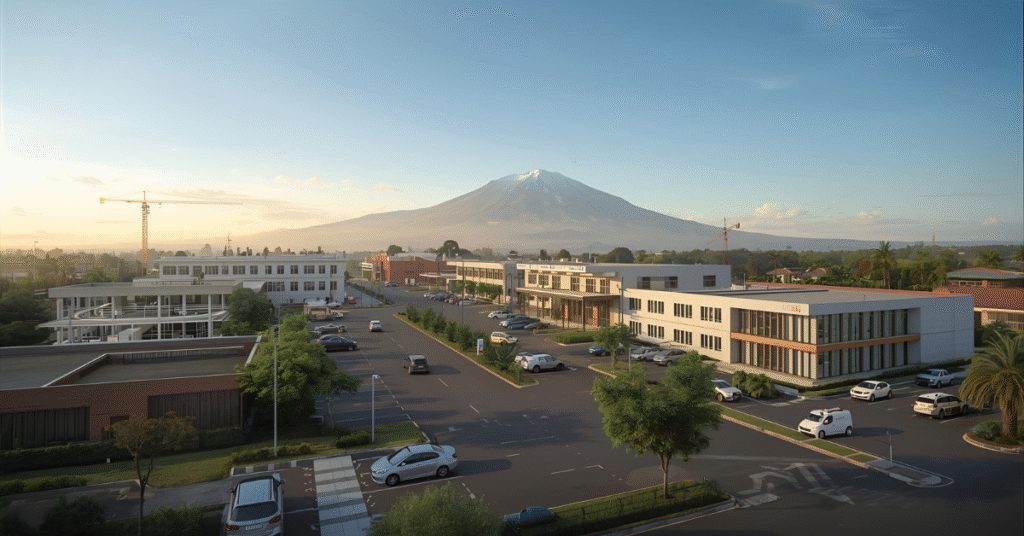
Tanzania’s growing middle class and young population are reshaping the retail real estate landscape. Shopping malls, supermarkets, and branded outlets are expanding in Dar es Salaam, while secondary cities like Arusha, Dodoma, and Mwanza are attracting new retail developments.
Investors are also exploring community malls and convenience centers, which offer lower development costs but steady rental income. Retail spaces integrated into mixed-use developments are proving especially profitable.
Rise of Mixed-Use Developments
Mixed-use projects, which combine residential, retail, office, and leisure facilities, are becoming a cornerstone of urban development in Tanzania. These developments maximize land value and cater to urban lifestyles where people live, work, and shop in one place.
Dar es Salaam has already witnessed projects like Mlimani City, and 2025 is expected to bring more such investments, particularly around fast-developing suburbs. These developments are highly attractive to international investors seeking long-term stable returns.
Investment Opportunities in 2025
Dar es Salaam
- Prime office towers for multinational corporations
- Logistics warehouses near the port and highways
- Retail centers serving the growing middle class
Zanzibar
- Luxury hotels and resorts targeting global tourists
- Retail outlets and leisure facilities for tourism-driven demand
- Eco-friendly commercial projects aligned with sustainability trends
Arusha & Mwanza
- Retail and hospitality properties serving domestic and international travelers
- Conference and event spaces to support Tanzania’s role as a safari hub
Industrial Real Estate
- Warehouses, logistics parks, and manufacturing hubs tied to Tanzania’s regional trade strategy
- Strong government support for investors in industrial corridors
Risks & Challenges to Watch
- Land Ownership Restrictions
Foreign investors cannot directly own land in Tanzania but can access long-term leases of up to 99 years. Understanding lease structures is crucial. - Regulatory Environment
Taxation, zoning regulations, and land-use policies can shift, affecting investment returns. Due diligence and legal support are essential. - Infrastructure Gaps
While Tanzania is improving its transport and energy networks, some regions still face challenges in power supply and road access. - Currency Volatility
Investors must consider exchange rate fluctuations that can affect profitability, especially for those repatriating earnings.
Strategies for Investors in 2025
- Diversify across sectors: Balance office, retail, hospitality, and logistics investments to mitigate risk.
- Leverage local partnerships: Work with local developers, agencies, and government bodies for smoother entry.
- Prioritize high-growth zones: Focus on Dar es Salaam, Zanzibar, and secondary cities with strong infrastructure growth.
- Adopt sustainable practices: Eco-friendly buildings and renewable energy integration are becoming highly marketable.
- Monitor policy updates: Stay informed on tax reforms, land laws, and investment regulations.
Frequently Asked Questions (FAQs)
Is Tanzania a good place to invest in commercial real estate in 2025?
Yes, Tanzania offers strong opportunities in hospitality, logistics, and retail, driven by tourism, trade, and urban growth.
Can foreigners buy commercial property in Tanzania?
Foreigners cannot directly own land but can lease it for up to 99 years through government-approved agreements.
What are the best cities in Tanzania for commercial real estate investment?
- Dar es Salaam for offices, logistics, and retail
- Zanzibar for hospitality and tourism-related properties
- Arusha & Mwanza for retail and events-driven investments
What yields can investors expect from commercial property in Tanzania?
Rental yields vary by sector. On average:
- Hospitality & retail → 8–12%
- Offices & mixed-use → 6–10%
What risks should investors consider?
Regulatory changes, infrastructure limitations, and currency risks are key considerations.
Is Zanzibar better than Dar es Salaam for investment?
Zanzibar offers higher returns in tourism properties, while Dar es Salaam leads in offices, logistics, and retail.
How is the retail real estate sector performing in Tanzania?
The retail sector is expanding rapidly, fueled by an urban middle class and consumer demand for shopping malls and branded outlets.
What role does infrastructure play in Tanzania’s real estate market?
Major projects like the Standard Gauge Railway, ports, and highways are increasing property values and driving demand near these zones.
Are mixed-use developments a good investment in Tanzania?
Yes, mixed-use developments are gaining momentum as they combine work, leisure, and residential spaces, offering higher returns.
How can Coldwell Banker Commercial help investors in Tanzania?
CBC offers market insights, property sourcing, investment advisory, and transaction support for both local and global investors.