Introduction
Tanzania’s commercial real estate market is rapidly evolving, fueled by economic growth, urbanization, and major infrastructure projects. Investors—both local and international—are increasingly turning their eyes toward Tanzania’s bustling cities like Dar es Salaam, Dodoma, Arusha, and Zanzibar. With rising demand for mixed use developments, strong interest in high rental yield areas, and an expanding inventory of commercial real estate for sale, the market offers diverse opportunities across office, retail, industrial, and hospitality sectors.
Why Tanzania Is Emerging as a Real Estate Investment Hub
Several factors make Tanzania a favorable environment for commercial property investors:
- Steady GDP Growth – Tanzania continues to record above-average GDP growth in East Africa, driving demand for urban spaces.
- Infrastructure Development – Projects such as the Standard Gauge Railway (SGR), new highways, and Dar es Salaam Port expansion increase connectivity and trade.
- Urbanization – Rapid migration to cities creates demand for retail, offices, and residential-commercial hybrids.
- Tourism & Trade – Zanzibar and Arusha attract international tourism, while Dar es Salaam remains a business gateway to East Africa.
Mixed Use Developments: The Future of Urban Real Estate
One of the biggest trends in Tanzania’s property sector is the rise of mixed use developments. These projects combine retail, office, residential, and leisure spaces into one integrated hub.
Why Investors Prefer Mixed Use Developments:
- Diversified Income Streams – Rental income comes from multiple sectors (retail tenants, offices, apartments).
- High Occupancy Rates – Convenient living and working spaces attract professionals and expatriates.
- Urban Lifestyle Appeal – Modern consumers prefer communities where they can shop, live, and work in one location.
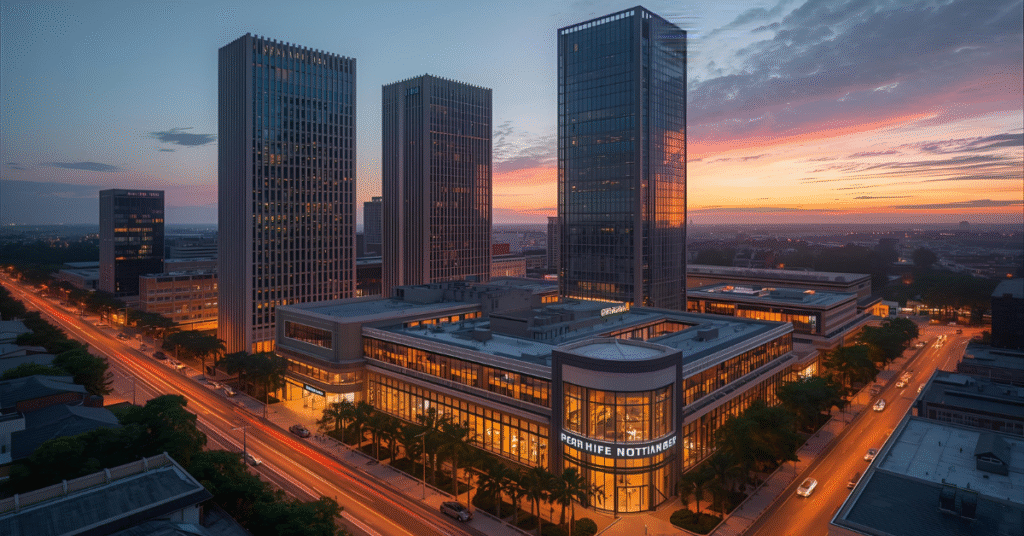
- Examples – Mlimani City in Dar es Salaam and new projects in Oyster Bay and Mikocheni showcase how this trend is shaping the city skyline.
High Rental Yield Areas in Tanzania
For investors seeking consistent returns, identifying high rental yield areas is crucial. In Tanzania, these neighborhoods and cities stand out:
- Dar es Salaam – Masaki & Oyster Bay
Premium areas with strong demand for office and retail spaces, especially among embassies and multinational companies. - Mikocheni & Upanga
Popular with SMEs, co-working hubs, and medical facilities, offering stable returns. - Dodoma
As the new capital city, government relocation is driving demand for offices, hotels, and retail hubs. - Arusha
Tourism-driven demand for hotels, lodges, and rental properties makes Arusha a hotspot for steady returns. - Zanzibar (Stone Town & Paje)
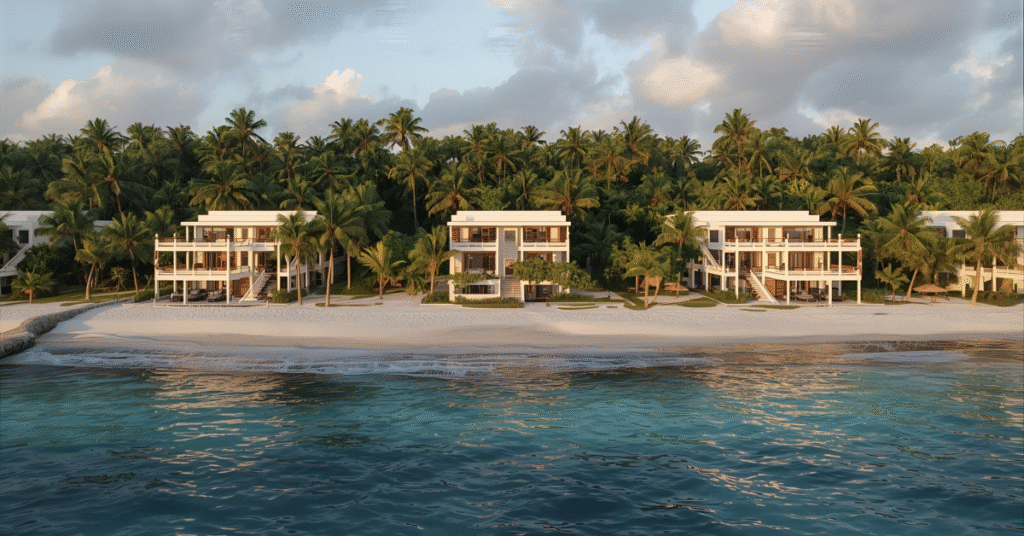
Tourist-heavy areas with high demand for short-term rentals, boutique hotels, and beachfront property.
Commercial Real Estate for Sale: What Investors Should Know
For investors exploring commercial real estate for sale in Tanzania, due diligence is essential.
Key Considerations:
- Legal Framework
- Foreigners cannot own land outright but can lease it for up to 99 years through the Tanzania Investment Centre (TIC).
- Tanzanian diaspora may soon benefit from ownership reforms under proposed Land Act amendments.
- Financing Options
- Local banks such as CRDB, NMB, and Stanbic offer commercial property loans with varying terms.
- Development finance institutions (DFIs) and private equity investors also fund large projects.
- Property Management
- Hiring a professional property management company ensures tenant sourcing, lease compliance, and maintenance.
- This is particularly important for investors based abroad.
Future Trends in Tanzania’s Commercial Real Estate
- Smart Buildings & Sustainability – Developers are embracing eco-friendly materials and energy-efficient designs.
- Logistics & Industrial Growth – Warehousing near ports and railway hubs is in high demand due to rising e-commerce.
- Affordable Commercial Units – Small business growth is pushing demand for affordable retail and office spaces.
- Increased Foreign Interest – Favorable reforms and a stable investment climate continue to attract global investors.
Conclusion
Tanzania’s commercial real estate sector is at a turning point. From mixed use developments in Dar es Salaam to high rental yield areas in Dodoma, Arusha, and Zanzibar, the opportunities are vast. For those seeking commercial real estate for sale, due diligence, financing, and property management are key to maximizing returns.
For both seasoned investors and newcomers, Tanzania represents one of Africa’s most exciting real estate frontiers.
FAQs About Commercial Real Estate in Tanzania
- Is commercial real estate profitable in Tanzania?
Yes, with rental yields averaging 6–10% in prime locations, the market is attractive for long-term investors. - Can foreigners buy property in Tanzania?
Foreigners cannot own land outright but can secure 99-year leaseholds via the Tanzania Investment Centre. - Which cities in Tanzania offer the best commercial real estate opportunities?
Dar es Salaam, Dodoma, Arusha, and Zanzibar are the top investment destinations. - What are mixed use developments?
These are integrated projects that combine residential, retail, office, and leisure spaces in one complex. - Which areas in Dar es Salaam have the highest rental yields?
Masaki, Oyster Bay, and Mikocheni are top-performing neighborhoods. - What taxes apply to commercial property investors in Tanzania?
Investors must consider land premiums, capital gains tax, and annual property rates, though recent reforms have lowered some costs. - Is financing available for foreign investors in Tanzania?
Yes, through local banks, DFIs, and joint ventures with Tanzanian partners. - What drives demand for commercial property in Zanzibar?
Tourism growth, especially in Stone Town and beach destinations like Paje. - Are there risks in investing in Tanzania’s commercial real estate?
Risks include regulatory changes, currency fluctuations, and infrastructure gaps—but reforms are improving stability. - What is the future of Tanzania’s real estate market?
Strong growth in logistics, tourism, and mixed-use developments is expected through 2030.