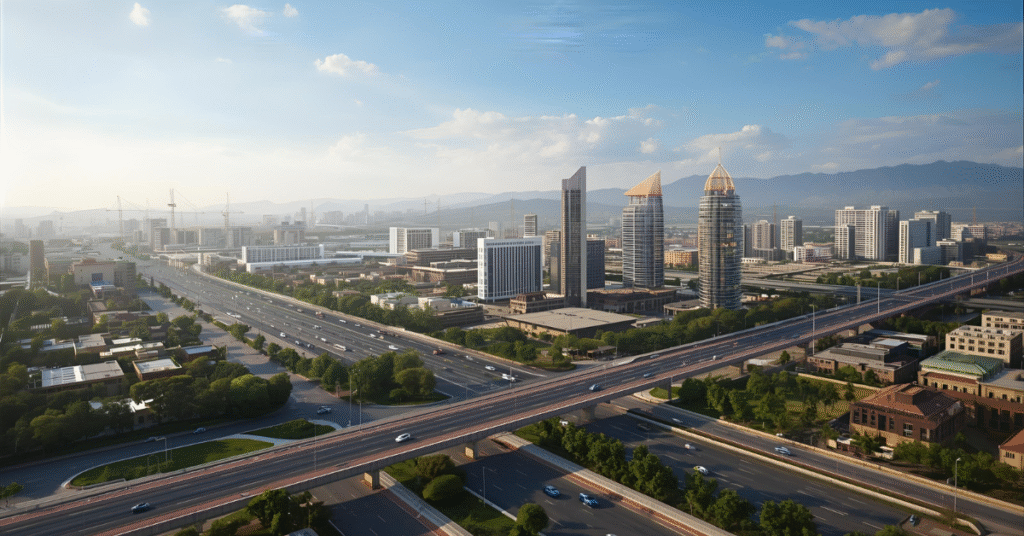
Tanzania Mainland is stepping boldly into a new era of economic prosperity and urban transformation. Driven by strategic government initiatives, rapid infrastructure development, and a burgeoning private sector, the region is witnessing an unprecedented boom in its real estate landscape. This isn’t just growth; it’s a fundamental reshaping of skylines and communities. For investors, businesses, and homebuyers, Tanzania Mainland presents a dynamic frontier of opportunity, where property development is seamlessly blending modern ambition with rich cultural heritage. This article explores the forces behind this surge and highlights the new developments positioning mainland real estate as a premier investment hub in East Africa.
Why Mainland Real Estate Is Booming: The Drivers of Growth
The current vibrancy in Tanzania’s real estate projects is not accidental. It is fueled by a powerful combination of economic and social factors:
-
Robust Economic Growth: Consistent GDP growth has increased disposable income and spurred demand for quality housing and commercial spaces.
-
Strategic Infrastructure Projects: Massive investments in roads, railways (like the Standard Gauge Railway), ports, and airports are improving connectivity and opening up new areas for development.
-
Urbanization and Population Growth: A young, growing population is migrating to urban centers like Dar es Salaam, Dodoma, and Arusha, creating sustained demand for residential and commercial real estate.
-
Government Initiatives: Policies aimed at improving the business climate and initiatives like developing Dodoma as the new capital city are attracting significant investment into property development.
Spotlight on Commercial Real Estate: The Engine of Urban Economies
The heartbeat of Tanzania Mainland’s transformation is its commercial real estate sector. Urban centers are evolving into bustling hubs of trade and commerce, creating unparalleled opportunities.
-
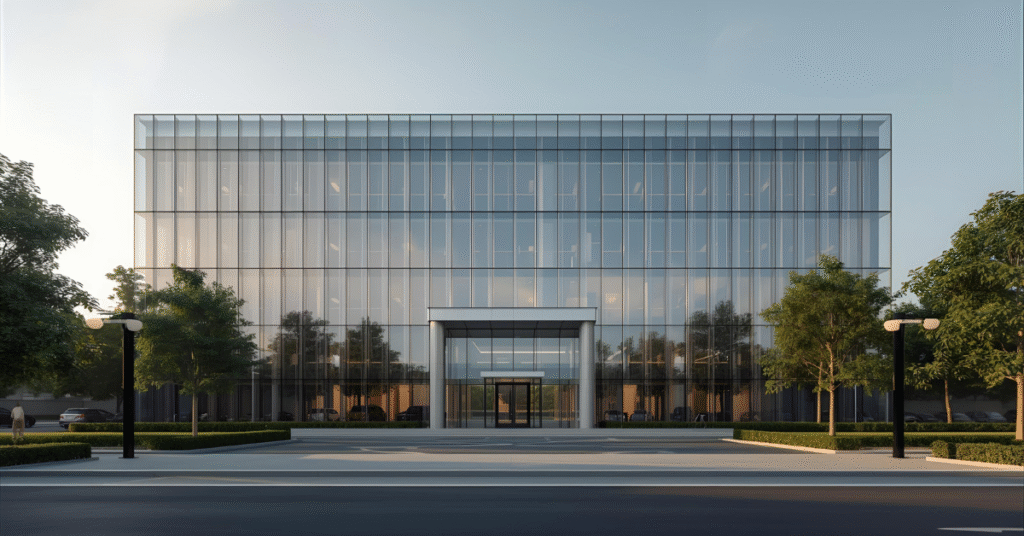
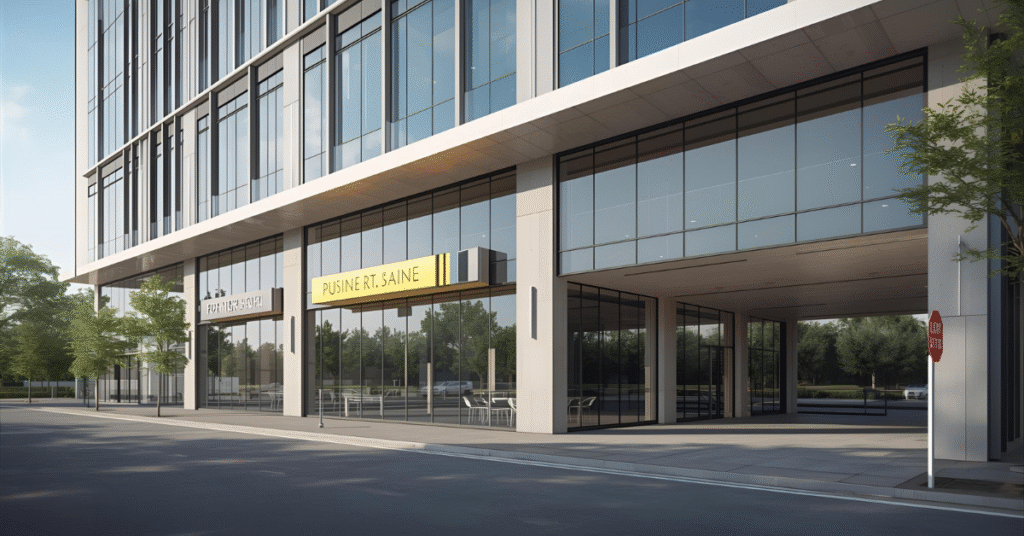
Grade-A Office Spaces: As multinational corporations and local enterprises expand, there is a soaring demand for modern, well-located office buildings with high-quality amenities.
-
Retail and Shopping Malls: The rise of a consumer-driven middle class has catalyzed the development of shopping malls and retail centers, offering new experiences for shoppers and lucrative leases for investors.
-
Industrial and Logistics Parks: Strategic investments in industrial parks near major ports and transport corridors are catering to manufacturing and logistics companies, making mainland real estate a critical link in regional supply chains.
Innovative New Developments: Where Modernity Meets Heritage
Today’s new developments in Tanzania Mainland are thoughtfully designed to offer more than just space. They are creating integrated communities.
-
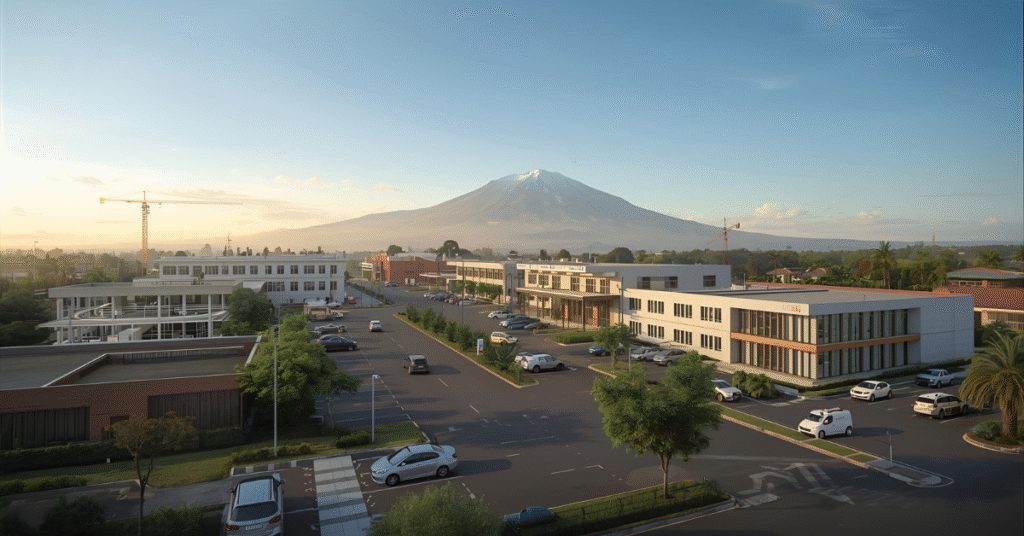
Mixed-Use Complexes: These are the trendsetters, combining retail, office, and residential units in a single location. They promote a live-work-play environment that reduces commute times and enhances quality of life.
-
Sustainable Residential Communities: Developers are increasingly focusing on gated communities that offer security, green spaces, and modern amenities, appealing to families and professionals.
-
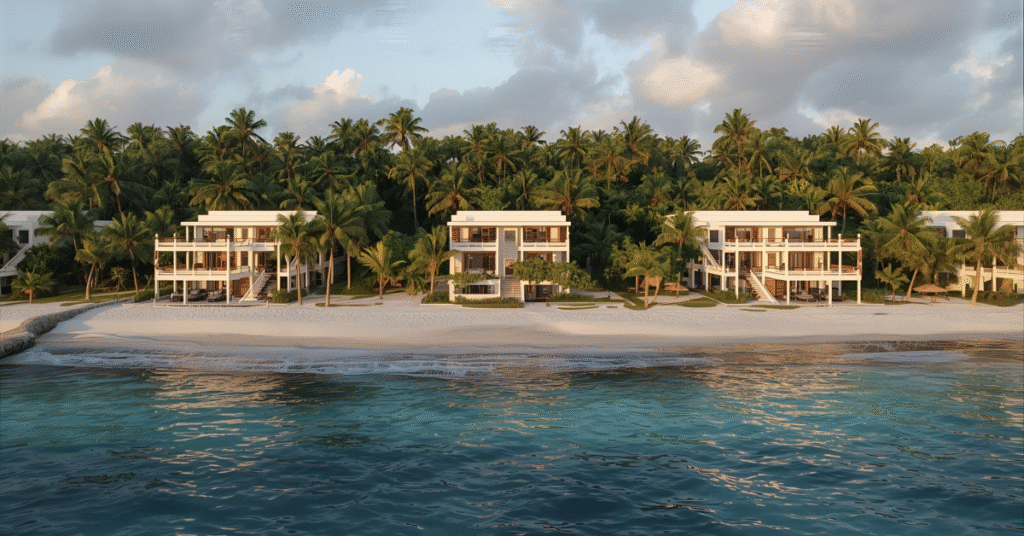
Luxury and High-End Projects: There is a growing niche for luxury apartments and villas that cater to the high-end market, featuring premium finishes, panoramic views, and world-class facilities.
Strategic Property Development: A Focus on Long-Term Value
Successful property development in Tanzania Mainland is characterized by a long-term vision. Investors and developers are prioritizing:
-
Sustainability: Incorporating green building practices, energy-efficient systems, and water conservation methods to ensure environmental responsibility and reduce long-term operational costs.
-
Community Integration: Projects are designed to respect and incorporate local culture and aesthetics, ensuring they become a harmonious part of the urban fabric.
-
Investment Security: With a stabilizing economy and improving regulatory frameworks, mainland real estate is increasingly viewed as a secure and appreciating asset class for both local and international investors.
Real Estate Projects Shaping the Future
Several landmark real estate projects are emblematic of Tanzania Mainland’s ambitious future. These include:
-
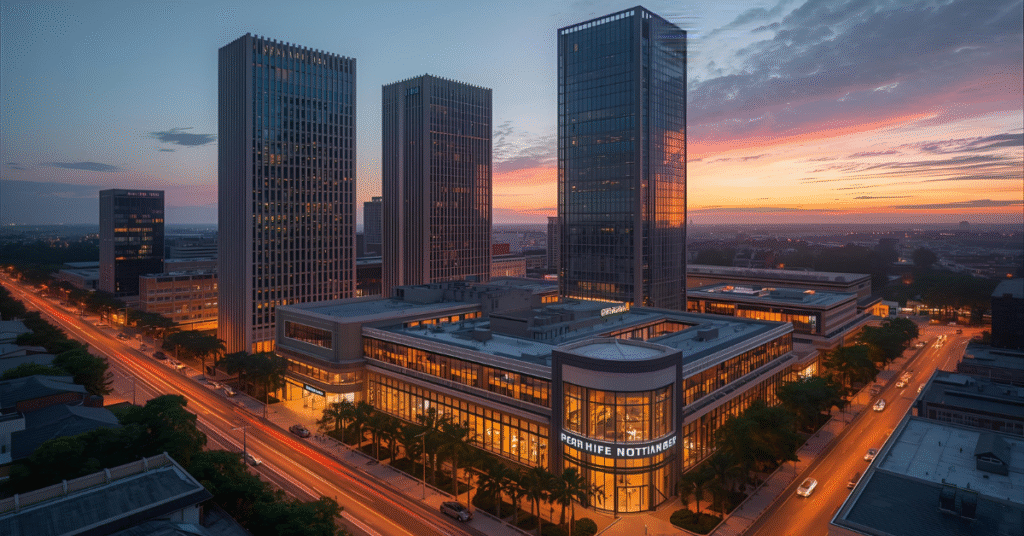
The Dar es Salaam Commercial City: A visionary project aimed at creating a new central business district with towering office blocks, international hotels, and convention centers.
-
Mixed-Use Developments in Arusha: Leveraging the city’s status as a tourism and diplomatic gateway, new projects are offering serviced apartments, retail spaces, and offices to cater to a diverse international clientele.
-
Government-Led Housing Projects: Large-scale, affordable housing initiatives are underway to meet the growing demand, creating significant opportunities for construction firms and material suppliers.
Conclusion: Tanzania Mainland – Your Strategic Real Estate Destination
Tanzania Mainland is undeniably open for business. The convergence of economic stability, infrastructural advancement, and demographic trends has created a perfect environment for a real estate renaissance. From high-yield commercial real estate to innovative residential new developments, the opportunities are vast and varied. For anyone looking to be part of East Africa’s next success story, the mainland real estate market offers a strategic, promising, and thriving destination.
Frequently Asked Questions (FAQs) About Real Estate in Tanzania Mainland
1. Is it safe for foreigners to buy property in Tanzania Mainland?
Yes, it is generally safe. Foreigners can purchase property through long-term leases (up to 99 years) which are legally recognized and secure. It is highly recommended to work with a reputable lawyer and real estate agent.
2. What are the best areas for commercial real estate investment in Tanzania?
Dar es Salaam (especially areas like Masaki, Oyster Bay, and the city centre), Arusha, and the new administrative capital, Dodoma, are currently the hottest spots for commercial real estate investment.
3. What types of new developments are most in demand?
There is high demand for mixed-use developments, modern apartment complexes in urban areas, gated community housing, and Grade-A office spaces with premium amenities.
4. How is the government supporting property development?
The government is supporting the sector through infrastructure projects, initiatives to streamline land acquisition processes, and campaigns to attract foreign direct investment (FDI) into construction and real estate.
5. What is the process for acquiring land for real estate projects?
The process involves conducting a land search, obtaining a certificate of occupancy or a derivative title, and signing a sale agreement. Due diligence is critical to verify the title’s authenticity.
6. Are there financing options available for real estate projects?
Yes, several local banks offer mortgage loans for individuals and construction financing for developers. The market is becoming more sophisticated with a growing range of financial products.
7. What makes mainland real estate a good investment compared to other East African countries?
Tanzania offers political stability, consistent economic growth, and a large, growing domestic market, making its mainland real estate a stable and high-potential investment.
8. What are the trends in sustainable or green building in Tanzania?
There is a growing trend towards incorporating solar energy, water recycling systems, and energy-efficient designs in new developments, driven by both cost savings and environmental awareness.
9. Can I invest in real estate projects as a foreigner without residing in Tanzania?
Yes, many foreign investors own property without being residents. However, appointing a reliable local property manager is advisable for maintenance and oversight.
10. What should I look for in a reputable real estate developer?
Look for a developer with a proven track record of completed projects, transparency in their processes, valid licenses, and positive client testimonials. A strong portfolio of successful real estate projects is a key indicator.