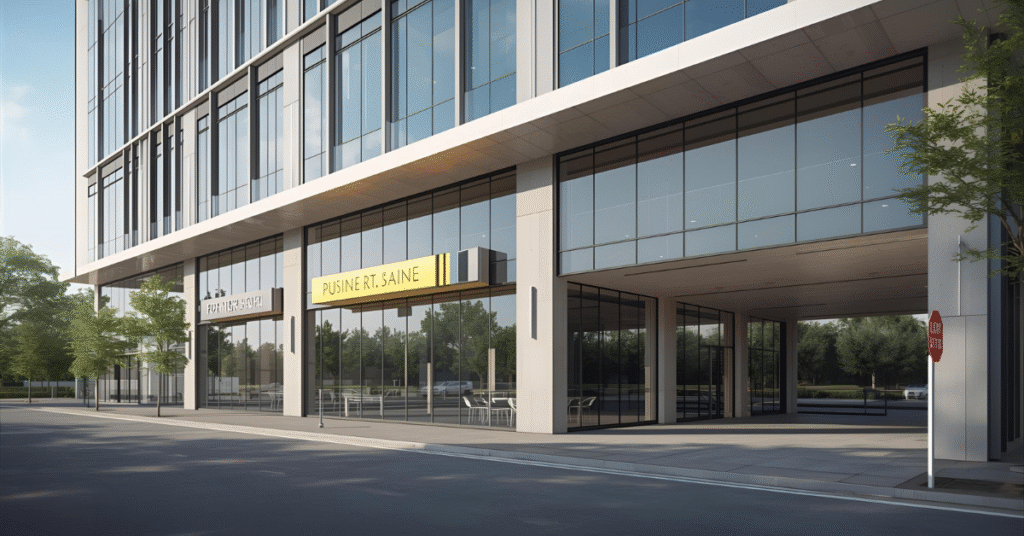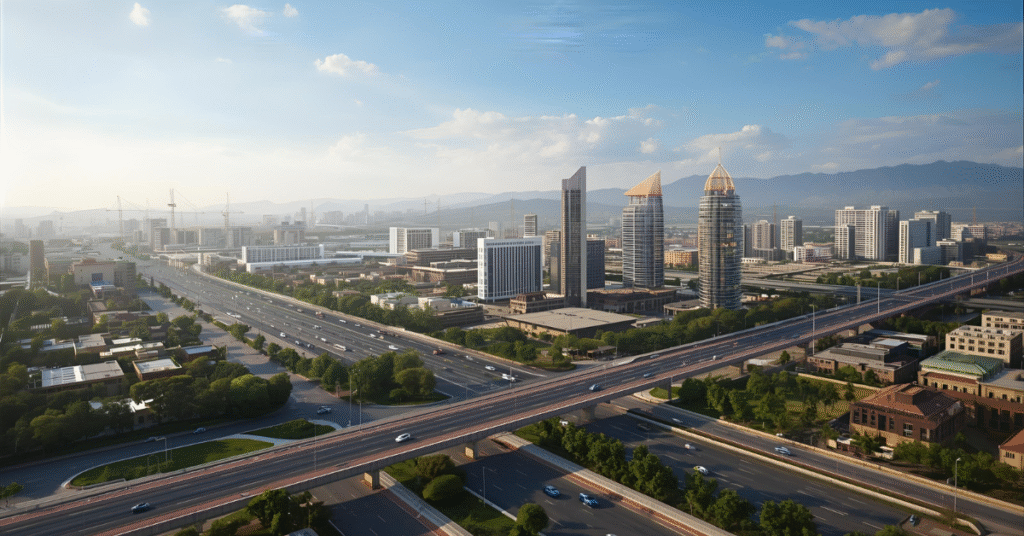
Tanzania’s urban landscapes, particularly in bustling hubs like Dar es Salaam and Arusha, are living museums of history and commerce. Colonial-era warehouses stand shoulder-to-shoulder with post-independence office blocks, silent witnesses to decades of economic transformation. Yet, many of these structures have fallen into disuse, seen as outdated relics in a rapidly modernizing world. However, a powerful global real estate trend is breathing new life into these old bones: adaptive reuse.
This transformative process is not just about preservation; it’s about innovation. Outdated buildings are being reimagined and converted into dynamic co working spaces, innovative tech hubs, and modern flexible workspaces. This movement aligns perfectly with Tanzania’s growing digital economy and the global shift towards hybrid work models. For investors, entrepreneurs, and city planners, the adaptive reuse of these properties presents a unique, cost-effective, and sustainable opportunity to shape the future of work in East Africa.
What is Adaptive Reuse and Why is it a Global Trend?
Adaptive reuse is the process of repurposing old, often historic, buildings for new functions different from their original intent. Instead of demolition and new construction, it involves creatively retrofitting existing structures to meet modern needs.
Globally, this approach has gained immense traction for several reasons:
-
Sustainability: It is inherently “green.” Reusing an existing structure significantly reduces construction waste, embodied carbon (the CO2 emitted during building material manufacturing and construction), and the demand for new raw materials.
-
Economic Sense: It is often more cost-effective than building from the ground up. The core shell—walls, foundation, roof—is already there, leading to savings on materials and time.
-
Cultural Preservation: It maintains the historical character and architectural heritage of a city, creating a unique sense of place that new glass towers often lack.
-
Prime Locations: Many older buildings are located in established, well-connected urban cores, offering unparalleled access and convenience.
The rise of premium providers like Industrious coworking exemplifies this trend. They have mastered the art of transforming character-rich buildings—from loft-style factories to historic landmarks—into high-end, amenity-rich flexible workspaces that cater to professionals and enterprises seeking more than just a desk.
The Tanzanian Opportunity: Dar es Salaam and Arusha
Tanzania is ripe for an adaptive reuse revolution. Cities like Dar es Salaam, the nation’s commercial heartbeat, and Arusha, a key diplomatic and tourism center, host a wealth of underutilized properties with immense potential.
-
Dar es Salaam: The city center (Kivukoni, Kisutu, Upanga) and areas like Msasani Peninsula are dotted with old colonial warehouses, former government offices, and early commercial buildings. Their high ceilings, large windows, and robust structures make them ideal candidates for conversion into airy, light-filled co working spaces and tech hubs.
-
Arusha: Known as Tanzania’s “Geneva of Africa,” Arusha hosts a mix of historic German-era buildings and structures from its time as a growing administrative center. Transforming these into modern offices or collaborative spaces would cater to its international community, NGOs, and a growing cohort of entrepreneurs in the tech and creative sectors.
Imagine a former spice warehouse in Kivukoni transformed into a vibrant tech incubator, buzzing with startups. Envision an old postal office in Arusha reinvented as a premium flexible workspace for consultants, lawyers, and remote workers for multinational organizations. These projects would become instant landmarks, fostering community and driving economic activity.
The Multifaceted Benefits of Adaptive Reuse
For Investors and Developers:
-
Higher Returns: Repurposing a building is often faster than new construction, allowing for quicker rental income. Unique, character-rich spaces can also command premium rental rates.
-
Reduced Risk: Building on an existing, well-located plot mitigates the risks associated with land acquisition and development in peripheral areas.
-
Enhanced Real Estate Value: A successful adaptive reuse project can act as a catalyst, boosting the value of the immediate surrounding properties and revitalizing entire neighborhoods.
For Entrepreneurs and Businesses:
-
Cost-Effective Entry: Co working spaces and flexible workspaces offer a low-risk, scalable office solution without the massive capital outlay of a long-term lease and fit-out.
-
Inspirational Environments: Working in a space with history and character can boost creativity and productivity, offering a distinct alternative to sterile, conventional offices.
-
Built-in Community: These hubs are designed for networking, collaboration, and serendipitous connections, providing invaluable opportunities for growth and partnership.
For City Planners and Municipalities:
-
Sustainable Urban Development: Adaptive reuse supports densification without sprawl, making cities more walkable and reducing pressure on infrastructure.
-
Heritage Conservation: It preserves the tangible history of a city, maintaining its cultural identity amidst modern development.
-
Economic Revitalization: It brings new businesses, jobs, and foot traffic into older districts, combating urban decay and creating vibrant, 24/7 neighborhoods.
Supporting the Future of Work
The global pandemic accelerated the adoption of hybrid work models, where employees split their time between a central office, home, and third places. Tanzania is no exception. This new paradigm demands flexible workspaces that are not just offices, but destinations that offer value, community, and top-tier amenities.
The adaptive reuse model is perfectly suited to meet this demand. These transformed spaces naturally foster the collaboration and culture that remote work often lacks, while providing the professional infrastructure and flexibility that modern businesses require. They become the anchor for a distributed workforce, supporting Tanzania’s integration into the global digital economy.
Case Studies and Potential in East Africa
While nascent, examples are emerging across the region:
-
The Design Hub Kampala (Uganda): While not a perfect analogue, this initiative shows the trend of creating collaborative spaces in urban Africa.
-
Nairobi’s Catalyst (Kenya): A modern example, but it highlights the massive demand for quality tech hub spaces in East Africa.
The potential in Tanzania is largely untapped. A pioneering project could involve:
-
Converting a 1960s office block in Upanga into a multi-story co working space with meeting rooms, event areas, and cafes.
-
Transforming a disused factory in Chang’ombe into a maker space and hardware tech hub for innovation.
-
Repurposing a historic old hotel in Arusha’s central district into a boutique flexible workspace catering to international professionals and NGOs.
Conclusion: Building the Future by Honoring the Past
The adaptive reuse of Tanzania’s commercial properties is more than a real estate strategy; it is a vision for a sustainable, vibrant, and economically dynamic urban future. It represents a confluence of history and innovation, sustainability and profitability, individual ambition and community growth.
By transforming our architectural heritage into modern co working spaces and tech hubs, we don’t just save buildings—we activate them as engines of the new economy. We create the environments where Tanzania’s next generation of entrepreneurs, tech innovators, and creative minds will thrive.
FAQs on Adaptive Reuse in Tanzania
1. What is adaptive reuse in real estate?
Adaptive reuse is the process of repurposing an existing building for a new function, such as converting an old warehouse into modern co working spaces or offices, instead of demolishing it.
2. Why is adaptive reuse considered sustainable?
It drastically reduces construction waste, saves the embodied energy in existing structures, and minimizes the need for new building materials, making it an environmentally friendly development option.
3. Are there examples of adaptive reuse in Dar es Salaam?
While the trend is still emerging, there is significant potential in areas like Kivukoni and Upanga. The conversation is growing among forward-thinking developers and investors recognizing the value of these properties.
4. How cost-effective is adaptive reuse compared to new construction?
It can be significantly more cost-effective as the core building structure is already in place, saving on materials and foundational work. However, costs can vary based on the building’s condition and the extent of retrofitting needed.
5. What types of old buildings are best suited for conversion into tech hubs?
Buildings with large, open floor plans (like old warehouses or factories), high ceilings, and good natural light are ideal, as they offer flexibility for collaborative zones, private offices, and communal areas.
6. What are the benefits of a flexible workspace for a small business?
Flexible workspaces offer scalability, no large upfront capital costs, access to premium amenities (like high-speed internet and meeting rooms), and opportunities for networking and collaboration with other businesses.
7. How does adaptive reuse benefit the community?
It preserves historical architecture, revitalizes neglected neighborhoods, creates new jobs, and fosters community hubs that bring people together, enhancing the urban fabric.
8. What is industrious coworking?
Industrious is a leading premium provider of flexible workspaces known for its high-design, amenity-rich environments and a strong focus on community and service, often located in uniquely repurposed buildings.
9. Can adaptive reuse increase property value?
Absolutely. A successful adaptive reuse project can significantly increase the value of the transformed property and act as a catalyst, raising values and attracting investment to the surrounding area.
10. Is there a demand for co working spaces in Tanzania?
Yes, driven by a growing startup ecosystem, the expansion of remote and hybrid work models, and the presence of international organizations and freelancers, the demand for modern, flexible work environments is rapidly increasing in cities like Dar es Salaam and Arusha.