Tanzania Mainland is on the move. Underpinned by a clear national vision and strategic infrastructure upgrades, the nation is experiencing a transformative period of growth. This new era is defined by ambitious mainland developments that are reshaping skylines, creating vibrant new residential communities, and unlocking unprecedented investment opportunities. From the bustling shores of Dar es Salaam to the burgeoning hubs of Arusha and Mwanza, Tanzania Mainland is rapidly positioning itself as a premier destination for business, living, and long-term growth in East Africa.
This article delves into the heart of this transformation, exploring the key trends and opportunities that are defining the future of Tanzania Mainland.
The Urban Renaissance: Transforming Cityscapes and Infrastructure
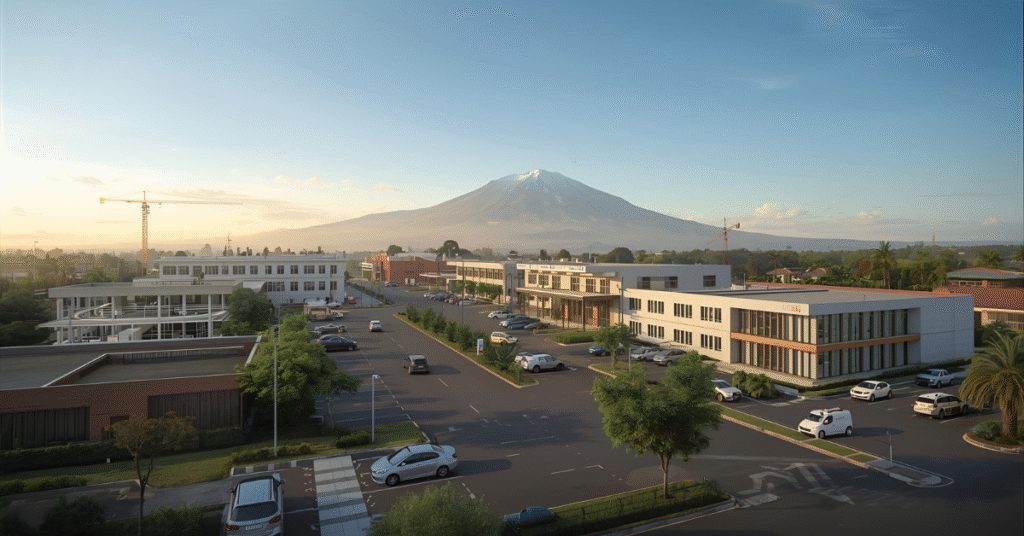
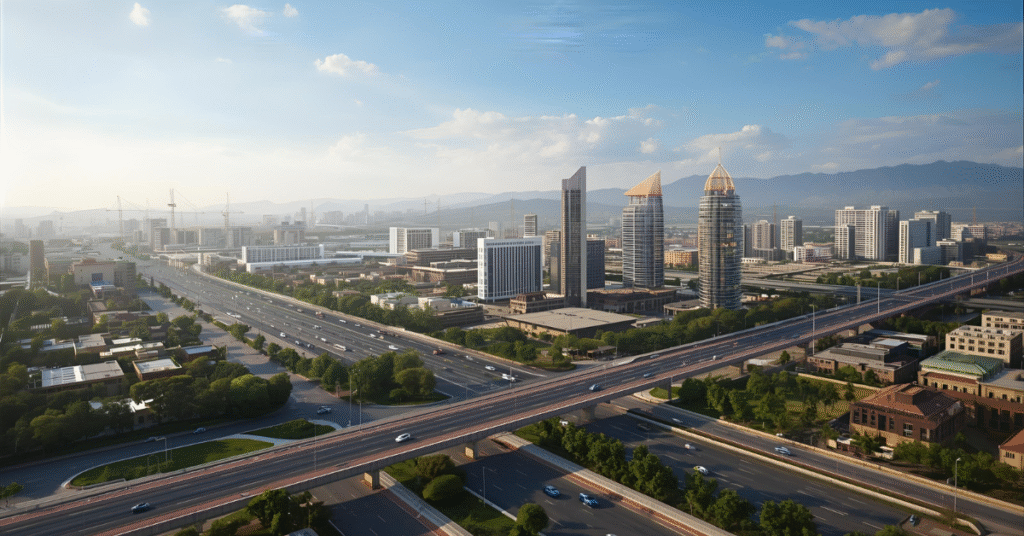
Urban development is the most visible sign of Tanzania’s progress. The government’s strategic focus on infrastructure is laying the foundation for a more connected and efficient economy.
-
Transportation Revolution: Major projects like the Standard Gauge Railway (SGR), the expansion of the Julius Nyerere International Airport, and the Dar es Salaam Bus Rapid Transit (BRT) system are drastically reducing transit times and improving logistics. This enhanced connectivity is a critical catalyst for further urban development and commercial activity.
-
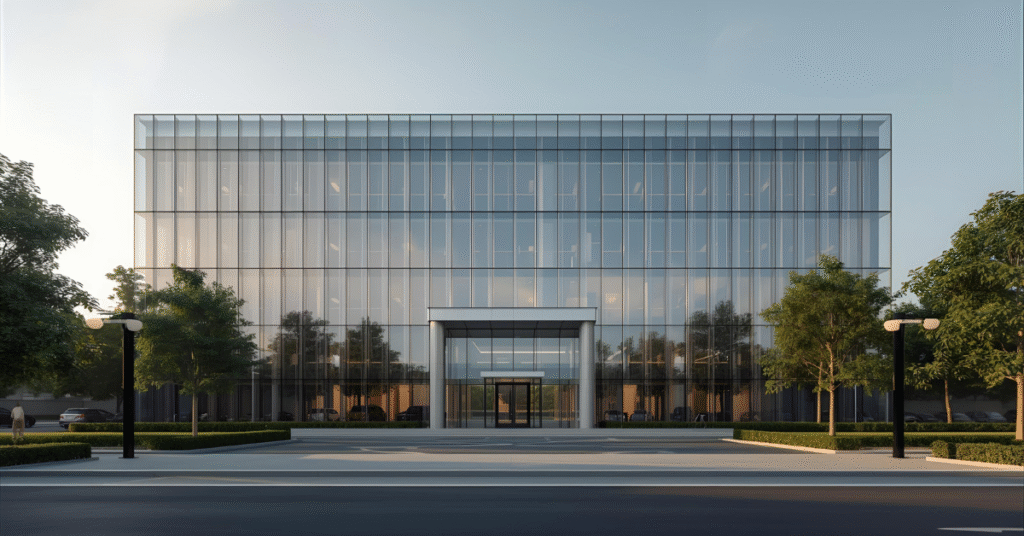
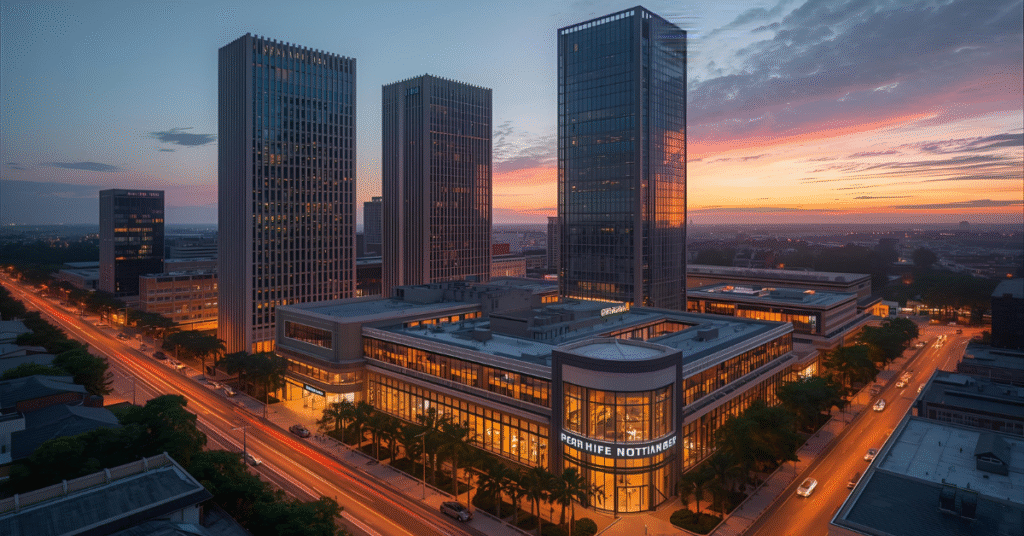
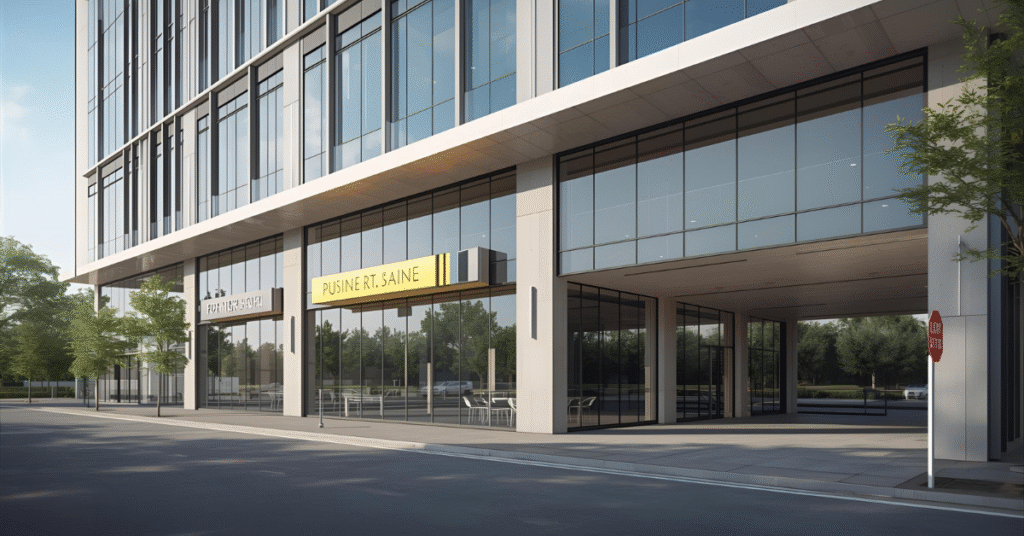
Modern Business Districts: Cities are evolving beyond their traditional cores. We are witnessing the rise of planned commercial and mixed-use districts offering state-of-the-art office spaces, retail complexes, and hotels, catering to a growing corporate and entrepreneurial class.
-
Utility Upgrades: Significant investments in water supply, reliable electricity, and digital infrastructure are ensuring that these modern cities can support their growing populations and industries, making Tanzania Mainland an increasingly attractive operational base.
The Rise of Modern Residential Communities: Redefining Tanzanian Living
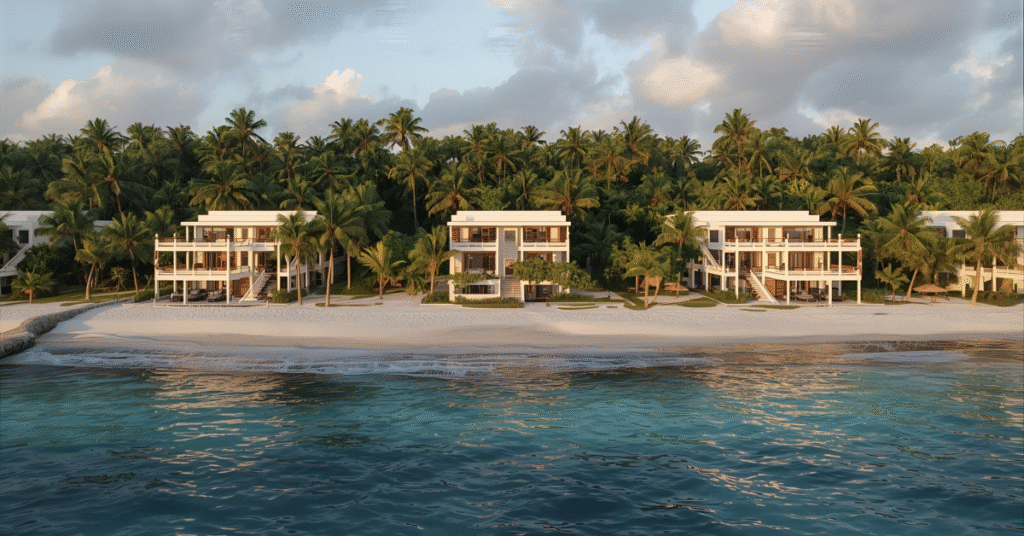
As cities expand, a new standard for living is emerging. The demand for security, amenities, and community is driving the development of master-planned residential communities. These are no longer just collections of houses; they are holistic living environments designed for the modern Tanzanian family, expatriate professional, and astute investor.
These new residential communities, such as those emerging in areas like Kigamboni, Mikocheni, and along the New Bagamoyo Road, offer:
-
Enhanced Security: Gated premises with 24/7 surveillance provide peace of mind.
-
Integrated Amenities: On-site facilities like shopping centers, schools, clinics, parks, and recreational areas create a self-sufficient lifestyle.
-
Architectural Quality: A focus on modern design, sustainable building practices, and higher construction standards.
-
Strong Social Fabric: These developments are designed to foster a sense of community among residents.
This shift is a direct response to the aspirations of a growing middle class and represents one of the most stable investment opportunities in the real estate sector.
Where to Invest: Unlocking Opportunities in Tanzania Mainland’s Growth
The wave of mainland developments has opened a diverse portfolio of investment opportunities for both local and international investors.
1. Real Estate and Housing:
-
Residential Real Estate: The demand for quality housing far outstrips supply. Investing in the development of apartments, townhouses, or single-family units within these new residential communities offers strong rental yields and capital appreciation.
-
Affordable Housing: A massive, government-backed opportunity exists in the affordable housing segment, targeting the vast majority of the population.
2. Commercial and Retail Spaces:
-
Office Parks: As businesses expand and seek modern operational bases, purpose-built office parks in strategic locations are in high demand.
-
Shopping Malls and Retail Centers: The rising consumer spending power is driving the need for formal retail spaces. New residential communities are particularly ripe for neighborhood shopping centers.
3. Infrastructure and Industrial Parks:
-
Public-Private Partnerships (PPPs): The government is actively seeking private investment in large-scale infrastructure projects, from energy to transport.
-
Special Economic Zones (SEZs) and Industrial Parks: These zones offer incentives and world-class facilities for manufacturing and export-oriented businesses, a cornerstone of Tanzania Mainland’s industrial strategy.
Blending Heritage with Modernity: A Culturally Rich Development Path
Amidst this rapid modernization, Tanzania Mainland has not lost sight of its rich cultural soul. The challenge and success of current mainland developments lie in their ability to integrate modernity with tradition.
Architects and developers are increasingly incorporating elements of Swahili design—such as ornate mihrab (arched niches), spacious verandas (baraza), and natural ventilation—into contemporary buildings. Furthermore, the vibrant street life, bustling local markets (soko), and cultural festivals remain integral to the urban experience. This creates a unique identity where glass-fronted skyscrapers can coexist with historical landmarks, offering a dynamic and authentic living experience that is uniquely Tanzanian.
Conclusion: A Future Built on Sustainable and Inclusive Growth
The trajectory for Tanzania Mainland is unmistakably upward. The strategic focus on urban development, the creation of high-quality residential communities, and the welcoming stance towards foreign and domestic investment are creating a powerful engine for sustainable growth.
While challenges remain, the political will, demographic dividend, and abundant natural resources provide a solid foundation. For investors, businesses, and families looking to be part of a dynamic and forward-moving story, Tanzania Mainland presents a compelling proposition. It is not just building infrastructure; it is building a future that honors its past while confidently stepping into its role as a key player on the African and global stage.
Frequently Asked Questions (FAQs) About Tanzania Mainland Developments
1. What are the most promising areas for real estate investment in Tanzania Mainland?
Dar es Salaam (Kigamboni, Masaki, Peninsula), Arusha (Njiro, Sakina), and Mwanza are hotspots. Focus is on areas with new infrastructure projects and planned residential communities.
2. Can foreigners buy property in Tanzania Mainland?
Yes, but with restrictions. Foreigners cannot own land outright (it is all government leasehold) but can secure long-term leases of up to 99 years for investment and development purposes. It’s crucial to work with a local legal expert.
3. How is the Tanzanian government supporting these mainland developments?
Through major infrastructure projects (SGR, roads), the creation of Special Economic Zones (SEZs) with tax incentives, and public-private partnership (PPP) frameworks to attract private capital.
4. What types of residential communities are in highest demand?
Gated, master-planned communities with integrated amenities like security, water, electricity, schools, and retail spaces are highly sought after by the middle and upper-income segments.
5. Is it safe to invest in Tanzania Mainland?
Tanzania is considered one of the more stable and peaceful countries in Africa. As with any investment, due diligence, understanding local laws, and partnering with reputable local firms is essential for mitigating risk.
6. What is the “affordable housing” opportunity in Tanzania?
There is a massive deficit of quality, affordable homes. The government has launched initiatives to encourage private developers to build housing units for the low to middle-income market, representing a significant opportunity.
7. Which sectors, besides real estate, offer good investment opportunities?
Agribusiness, tourism, manufacturing (especially light assembly and processing), logistics, and renewable energy are all high-potential sectors aligned with national development goals.
8. How is urban development improving life in cities like Dar es Salaam?
Projects like the BRT system are reducing crippling traffic congestion. Upgrades to utilities and the creation of new commercial districts are improving the overall business environment and quality of life.
9. What is the long-term economic outlook for Tanzania Mainland?
The outlook is positive, driven by vast natural gas reserves, a growing workforce, strategic infrastructure investments, and political stability. Economic growth is consistently among the highest in Sub-Saharan Africa.
10. How does Tanzanian culture influence modern architecture and design?
Modern designs increasingly incorporate Swahili coastal elements, use local materials, and prioritize open spaces and natural cooling to suit the climate and cultural preferences, creating a unique architectural blend.